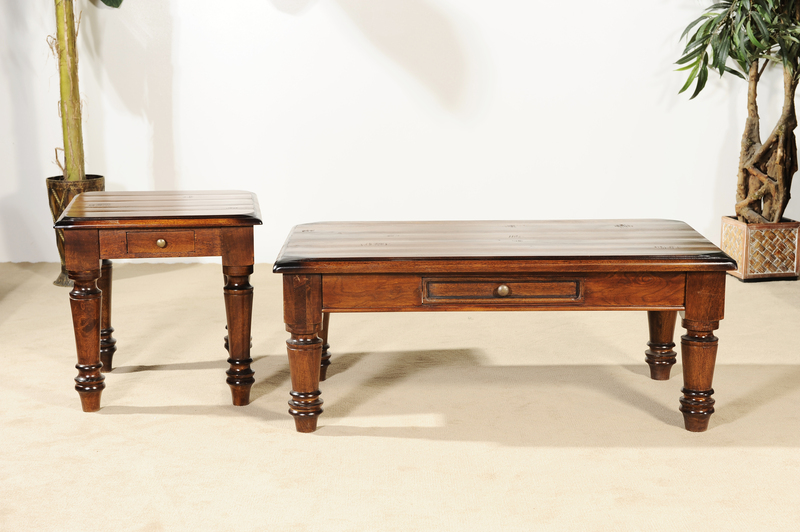
Commercial Waste in Slough for collected removal and responsible handling

Commercial Waste Slough provides commercial waste removal in Slough for organisations that need a straightforward way to clear everyday rubbish, bulky items and mixed office or premises waste. The service is centered on practical collections and sensible handling, with the aim of taking away material that no longer belongs on site and moving it into the right processing route. That can include regular business waste, occasional one-off clearances and items that need separating before disposal or recycling.
For many premises, the real value is in keeping waste movement orderly. Instead of leaving material in storage areas, corridors or external yards, collections can be arranged to suit the type and volume of waste being produced. We work with a broad range of commercial settings and can help with material that builds up after routine operations, tenant changeovers, refurbishments or stockroom reorganisation. If you need a quotation, please request details based on the waste you have and the access available.
Our approach is designed to stay clear and practical. We explain what can be taken, what may need separate handling and how to prepare a load so the removal is quicker on the day. Where a site produces more than one kind of waste, the service can be shaped around the mix rather than forcing everything into one blunt category. That makes the process easier to plan and helps keep collections aligned with the way your premises actually operate.
Business waste removal for offices, shops and shared premises
Business waste removal is the core service for premises that generate mixed everyday waste and want it taken away without disrupting normal work. In office settings this may involve bags, packaging, unwanted stationery, broken small items and redundant equipment housings. In retail and customer-facing spaces, the waste can be a mix of cardboard, display material, empty containers and general refuse. The aim is to remove what has accumulated and send it through a process that reflects the materials involved.
Collections can also be useful for shared buildings, managed workspaces and premises with limited storage. Where waste builds up quickly, it is sensible to look at how often it is being cleared and whether different material streams should be separated. If you are comparing options, a good starting point is to review the business waste removal page alongside the rest of the service information so you can see how the collection fits the type of material you need taken away. Clear descriptions help avoid confusion about what is included.
For organisations that handle confidential paperwork or sensitive records, waste control sometimes needs more than a standard general clearance. In those situations the material should be identified before it is moved, and it may be appropriate to separate it from other mixed waste. Our commercial service can sit alongside a more specific process where required, which is why it is useful to keep a simple inventory of the kinds of items waiting for collection. That does not need to be detailed; a broad list is often enough to plan the work properly.
Office clearance and internal item removal
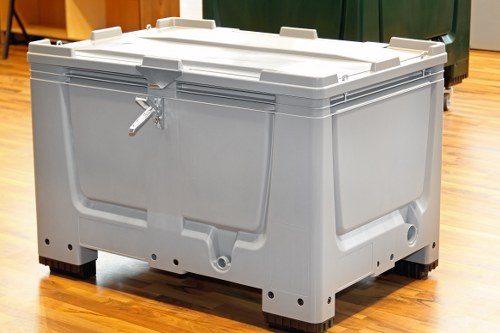
Office clearance covers the removal of unwanted items from working areas, storage rooms and back-office spaces. This can include desks, chairs, filing cabinets, shelving, small appliances, fixtures no longer in use and general rubbish linked to reorganising a workplace. The focus is on removing items in a controlled way so the office can be returned to practical use without leaving awkward clutter behind. For many businesses, it is a one-off support service rather than a recurring collection.
When an office needs clearing, the quantity and type of material matter more than simply the floor area. A single room may contain light waste, while a larger suite can include bulky furniture or mixed items that need sorting before removal. If you want to look at the service in more detail, the office clearance page gives a clearer picture of the sort of items typically handled. The work is often easier when access routes, lift use and item locations are understood in advance.
Useful preparation is usually simple. Move any items you intend to keep away from the clearance area, identify anything that should remain in place and make sure access routes are usable on the agreed day. If there are delicate surfaces, fixed partitions or shared corridors, it helps to mention them early so the collection can be planned around them. Good preparation is about accuracy, not effort, and a concise description can be enough to support a sensible quotation.
Furniture and bulky item disposal
Furniture disposal is often needed when offices are being refreshed, tenancies are ending or old stockroom equipment is no longer suitable for use. Items such as desks, seating, cabinets, tables and shelving units can take up space quickly, especially when they are too bulky for normal waste containers. A commercial collection gives you a way to remove those pieces without leaving them stacked in hallways, loading areas or unused rooms.
Where furniture is still in usable condition, the right route may differ from worn or damaged items. Some pieces can be handled for reuse or recycling, while others are simply ready for disposal. You can see the furniture options more clearly on the furniture disposal page, and the related furniture clearance page is useful if a larger mix of items is involved. Choosing the right route can make the collection more efficient and reduce the chance of surprises on the day.
Bulky items are usually easier to deal with when grouped by room or type, especially if they must be carried through narrow corridors or shared access points. For example, dismantled items and flat-pack parts are often simpler to move than assembled units, while items containing glass or mixed materials may need a bit more caution. It is worth separating what is loose, what is fixed and what may need special handling, because that supports a smoother removal and a cleaner handover afterwards.
Furniture choices, condition and collection planning
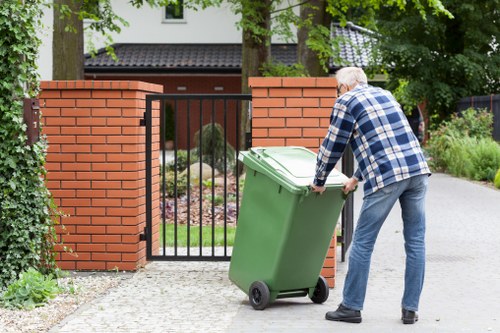
One reason commercial furniture disposal works well is that it can be adjusted to the condition of the items involved. Some loads are mainly office chairs and small desks, while others may include reception furniture, shelving or a mix of old and damaged pieces from several rooms. The collection is planned around what can be removed safely and what should be kept apart. This is especially relevant where items have sharp edges, broken fittings or built-in components that make them awkward to move.
For a quotation, it helps to note approximate quantities and whether the furniture is still assembled. If there are stairs, lift restrictions, controlled entry points or loading limitations, those details should be included as well. We do not need a long explanation, but we do need enough to judge the access and labour involved. A short message is usually enough to request a quotation, and it is often the quickest way to match the service to the actual job.
Some businesses also need help with items that are not traditional office furniture but still occupy a lot of space, such as counters, display units or backroom fittings. These can usually be assessed in the same way: what it is, where it is located and whether it needs to be dismantled before removal. A sensible plan keeps the work orderly and reduces handling time, which matters when the site must keep functioning during the collection.
House, flat and property clearances for mixed premises
Although the main focus here is commercial waste, many businesses also need help when a property contains a domestic-style mix of items. That can happen with rental properties, short-term lets, mixed-use buildings or offices with living accommodation above or beside them. House clearance and flat clearance style work usually involves a broader mix of household furniture, general clutter, bags, boxes and unwanted belongings that need separating before disposal or recycling.
Useful related pages include house clearance and flat clearance, especially where the work is not limited to standard office waste. The material can be very different from routine business rubbish, so it is sensible to describe the property type and the main items involved. If there are large volumes of mixed material, the collection can be organised in stages rather than trying to force every item into a single approach.
Property clearances often work best when you identify anything that must stay on site, such as documents, fixed appliances or items belonging to another tenant. That keeps the focus on removal rather than sorting after the event. In practical terms, the most helpful information is usually the room count, access route and a rough list of bulky pieces. That is enough to begin shaping a realistic plan for the work.
About Slough
Slough is a large town in Berkshire, west of London, with a long history of change from market settlement to industrial and commercial centre. Its growth accelerated in the nineteenth and twentieth centuries, especially after railway links strengthened connections with London and the Thames Valley. The town is known for its varied built environment, where older streets, post-war development and newer business districts sit close together. Slough Trading Estate is one of the most widely recognised parts of the town’s modern identity, reflecting the area’s role in manufacturing, logistics and services over many decades. The town centre has also been reshaped repeatedly, with shopping streets, civic buildings and transport links forming a busy urban core.
Waste disposal for refurbishment, clearance and lighter builders’ loads
Some commercial jobs produce waste that sits between ordinary office rubbish and heavier construction debris. This may include timber offcuts, broken fixtures, packaging from new installations, old shelving, surface coverings or mixed items left after a fit-out. The right approach is to identify the contents carefully, because not every load should be treated in the same way. Where a refurbishment is involved, separating general waste from reusable or recyclable material can make the collection more practical.
For jobs that involve building-related material, the builders waste clearance page and the general waste removal page are useful references. They help describe the boundary between everyday collection work and material that may need more specific handling. The key point is to avoid mixing incompatible items if the load contains sharp, dusty or heavy pieces. Clear identification of the waste stream keeps the work safer and more predictable.
It also helps to think about what is changing on site. If the clearance follows an office refit, shop update or storage reorganisation, the waste may be spread across several rooms rather than gathered in one place. In those cases, list the areas involved and note any access constraints. That gives the collection a sensible structure and reduces the chance of omissions on the day.
Special items, safety and controlled handling
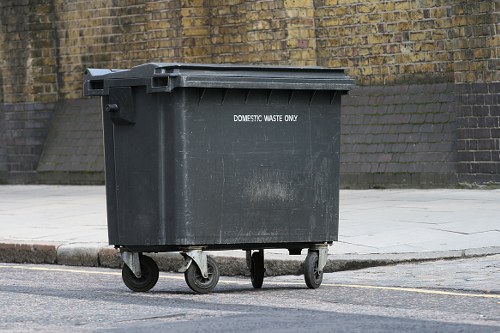
Not all waste can be treated as routine mixed rubbish. Some items require special attention because of their size, contents or condition. Examples can include appliances, breakable household-style fittings, records that need shredding, or waste that contains unknown or potentially difficult material. The question is not simply whether an item can be taken, but whether it needs to be handled separately so the load remains suitable for disposal or recycling.
Where special handling is needed, useful support pages include fridge and appliance removal, confidential shredding and hazardous waste disposal. These pages help distinguish items that should not be bundled with standard general waste. If you are unsure which category a load falls into, a brief description is usually enough to begin the conversation. You do not need technical language; you just need to say what the items are and what makes them different.
Safety matters when waste includes sharp edges, broken glass, electrical items or anything that has been stored for a long time. It is sensible to keep people clear of the clearance area, especially where items have to be moved through a live workplace. If the load contains mixed materials, note the presence of heavy parts, fluid residues or anything that might affect how it can be lifted. A careful description now can save time later and support a more suitable quotation.
Garage, loft and storage clearances for surplus items
Garages, lofts and storage rooms are often where surplus items accumulate until they no longer have a practical purpose. In commercial settings those spaces may hold old stock, spare fittings, display materials, archived equipment or mixed debris from earlier work. Clearance in these areas is less about decorating the space and more about recovering usable storage and removing material that has become a burden. The job can involve light items, bulky pieces or a mixture of both.
If the area is awkward to access or holds a varied load, the relevant pages may help you describe the task more clearly: garage clearance and loft clearance. These are useful where access is narrow, stairs are involved or items have been left undisturbed for some time. The more accurately the contents are described, the easier it is to plan the collection and judge how the removal should be handled.
Storage clearances often benefit from a simple decision list: what must stay, what can go, what is reusable and what is simply waste. That approach works well because it avoids last-minute sorting while items are already being moved. If records, tools or fittings are mixed together, it is especially useful to mark any items that should remain untouched. Ordinary labels or notes can prevent confusion and make the process more efficient.
Garden and external waste for commercial sites
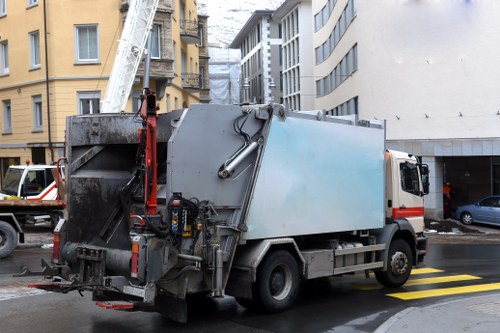
Commercial premises also produce outdoor waste, especially where there are forecourts, landscaped areas, shared gardens or exterior storage spaces. Garden-related waste can include cuttings, branches, turf, old planters, broken outdoor furniture and general debris from routine maintenance. Although it may look simple, this material can become bulky quite quickly, and mixed outdoor waste often needs separating before it is taken away.
Where the work includes external areas, the garden clearance page is the best place to review the typical scope. If the load contains a broader mixture of rubbish from both inside and outside the premises, home clearance can also be useful as a reference for mixed-item removal. The important thing is to describe the waste honestly rather than trying to squeeze it into a narrower category. That helps the collection reflect the real job.
Outdoor clearances are often easiest when waste has been gathered into one obvious area and any items worth keeping are moved away in advance. Wet soil, thorny branches and splintered timber can make lifting more awkward, so a short description of the condition of the material is worth including. If the site has limited vehicle access or a shared entrance, mention that when asking for a quote. Then finish by asking for a quotation in the format that suits you best.